
Carrollton, TX
Auto Repair, Tire & Collision Services in Carrollton, TX
Xpress Auto Care is a full-service automotive center for cars, trucks, and SUVs. Our experienced team provides trusted vehicle care, honest recommendations, and dependable workmanship, with every job backed by the Xpress Auto Care service guarantee.
Browse servicesRequest an appointmentTrack your booking
Shop Tires
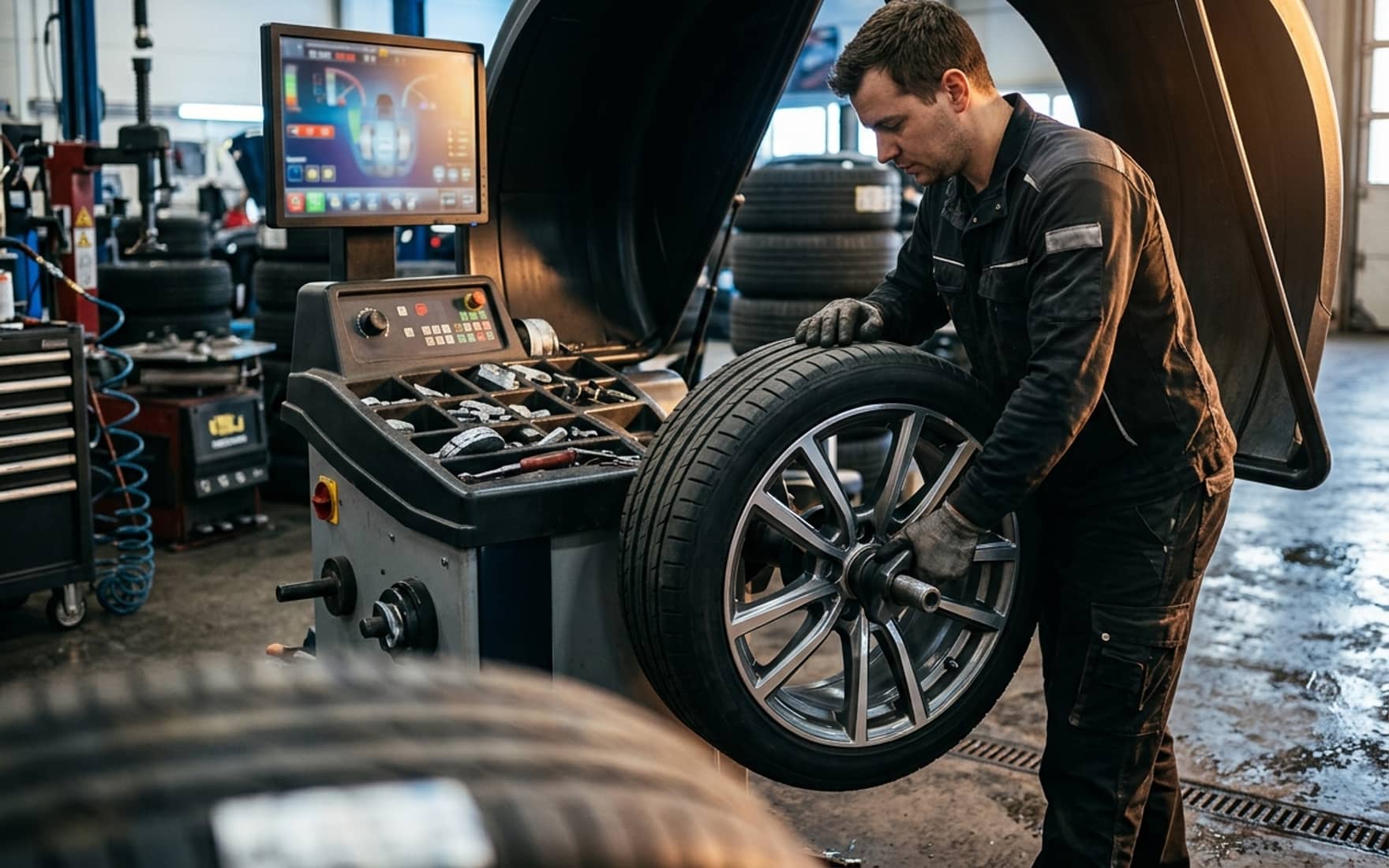
Find the right tires for your car, truck, or SUV with professional installation and balancing, timely service, free tire rotation every 20,000 miles on qualifying purchases, available road hazard protection, and applicable manufacturer warranty coverage. Search by vehicle year, make, and model or by tire size to find options that fit your needs and budget.
Fast Tire Service • Free Rotation Every 20,000 Miles • Road Hazard Protection • Manufacturer Warranty
Why Choose Xpress Auto Care?
We focus on accurate diagnostics, clear communication, customer convenience, and professional workmanship from the time your vehicle arrives until the job is complete.
ASE-Certified Technicians
Our qualified technicians bring professional training and automotive knowledge to each inspection, diagnosis, and repair.
Digital Vehicle Inspections
Digital inspections help document your vehicle’s condition and make it easier to understand recommended repairs and maintenance.
Trusted Customer Reviews
Our customers’ experiences reflect our commitment to honest communication, dependable work, and respectful service.
Customer Convenience
Stay connected with available Wi-Fi while you wait, and ask our team about towing assistance or transportation options when your vehicle needs additional time at the shop.

Frequently Asked Questions
How often should I have my vehicle serviced?
Service intervals depend on your vehicle, mileage, driving conditions, and manufacturer recommendations. Following the maintenance schedule in your owner’s manual helps reduce wear and identify problems early.
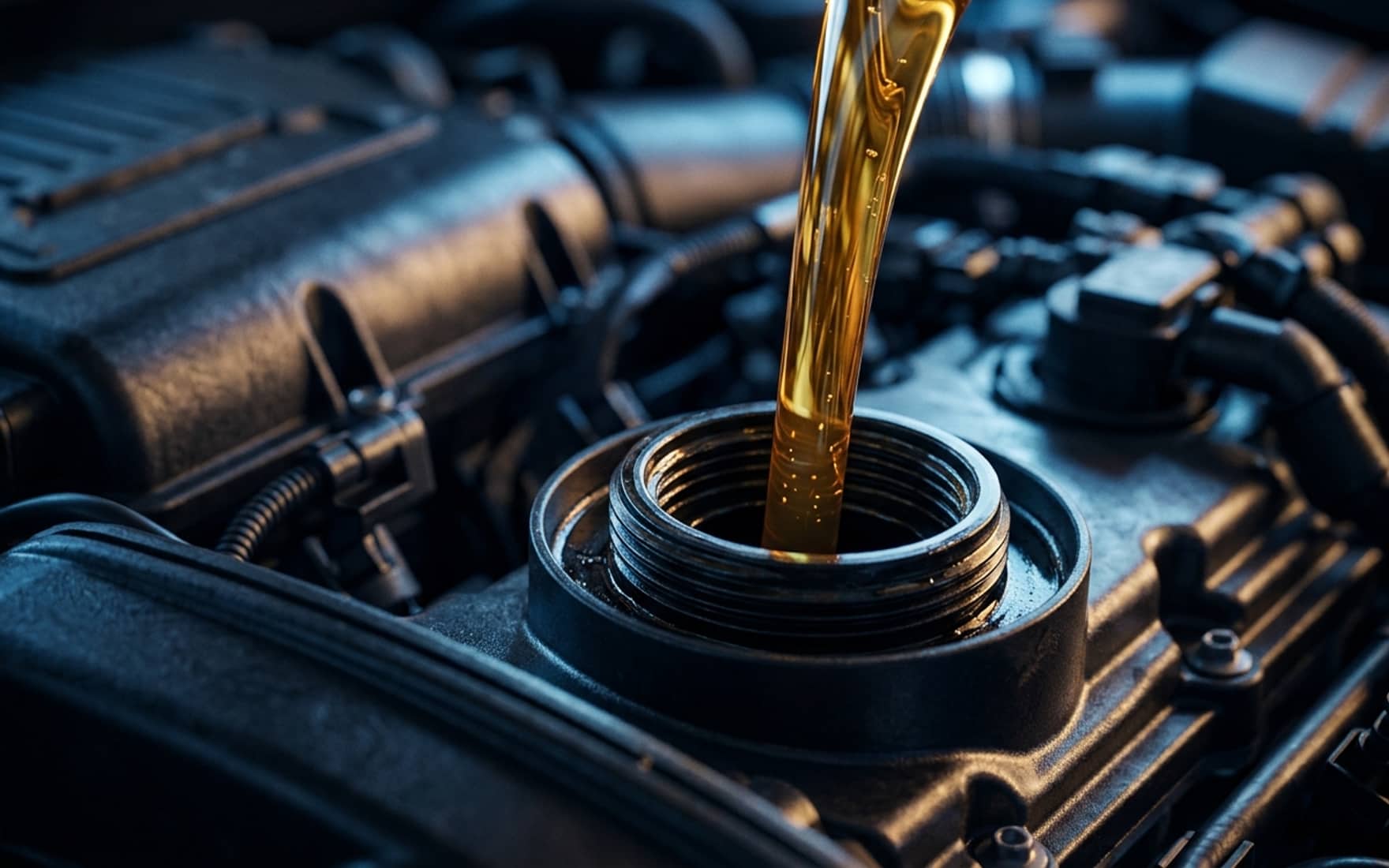
How often should I change my engine oil?
Oil change intervals vary by vehicle, engine, oil type, and driving conditions. Follow the manufacturer’s recommended interval and check the oil level regularly.
What is included in routine vehicle maintenance?
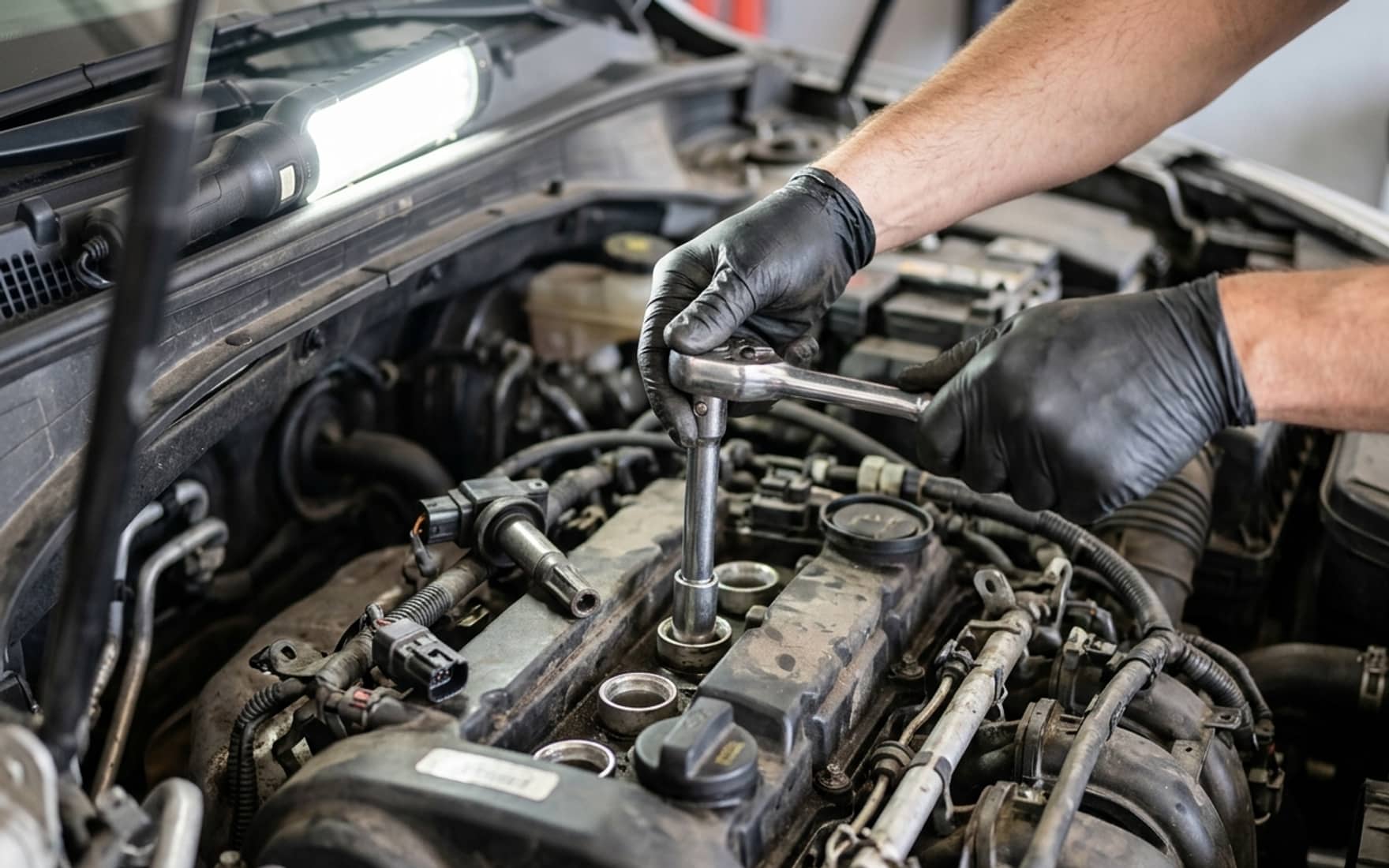
Routine maintenance may include oil and filter changes, fluid checks, tire inspections, brake checks, battery testing, filters, belts, hoses, and other manufacturer-recommended items.
Why is preventive maintenance important?
Preventive maintenance can improve reliability, extend component life, reduce unexpected breakdowns, and help catch small problems before they become expensive repairs.
How do I know when my brakes need service?
Common warning signs include squeaking or grinding, vibration while braking, a soft pedal, increased stopping distance, or a brake warning light. Any noticeable change in braking performance should be inspected promptly.
When should I have my wheel alignment checked?
Have your alignment checked if the vehicle pulls to one side, the steering wheel is off-center, tires wear unevenly, or after a significant pothole or curb impact.
What should I do if my check engine light comes on?
A steady check engine light should be diagnosed soon. A flashing light can indicate a more serious condition, so avoid unnecessary driving and have the vehicle inspected as quickly as possible.
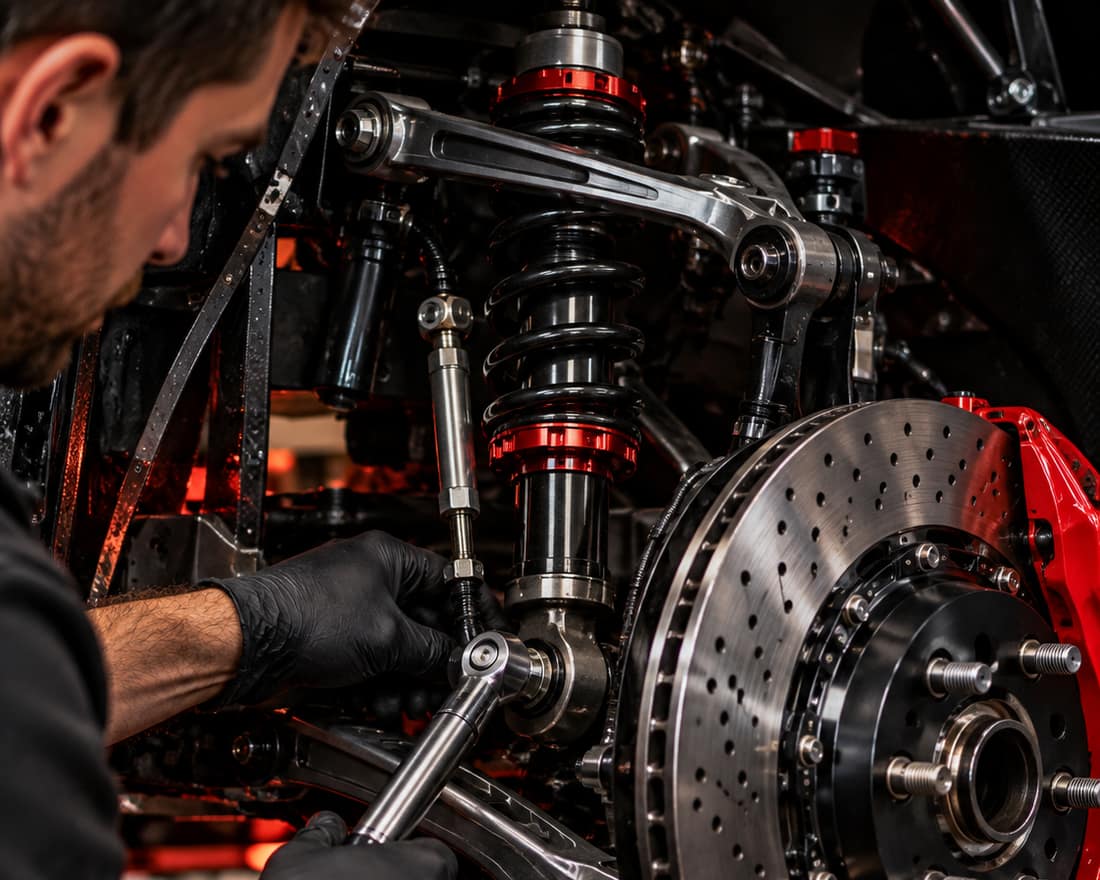
How do I know if my suspension needs repair?
Possible signs include excessive bouncing, clunking noises, poor handling, uneven tire wear, pulling, nose-diving while braking, or one side of the vehicle sitting lower than the other.
When should my car battery be tested?
Consider testing the battery if the engine cranks slowly, lights appear dim, electrical problems develop, or the battery is several years old. A charging-system test can also help identify alternator-related issues.
How often should transmission fluid be changed?
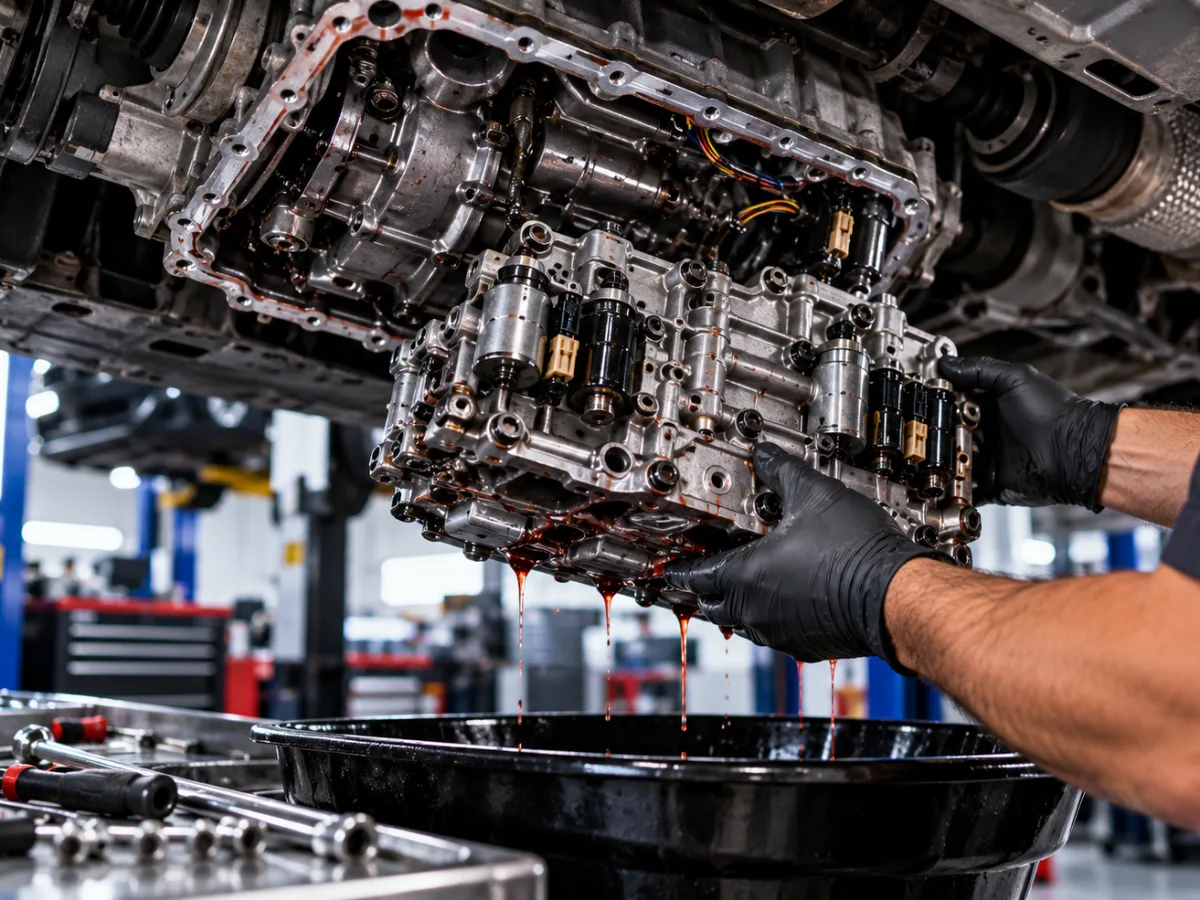
Transmission fluid intervals vary by vehicle and transmission type. Follow the manufacturer’s schedule and have the fluid condition checked when transmission performance changes.
When should engine coolant be replaced?
Coolant intervals depend on the vehicle and coolant type. Proper coolant condition and level help control engine temperature and protect the cooling system from corrosion.
Why is my air conditioner not cooling properly?
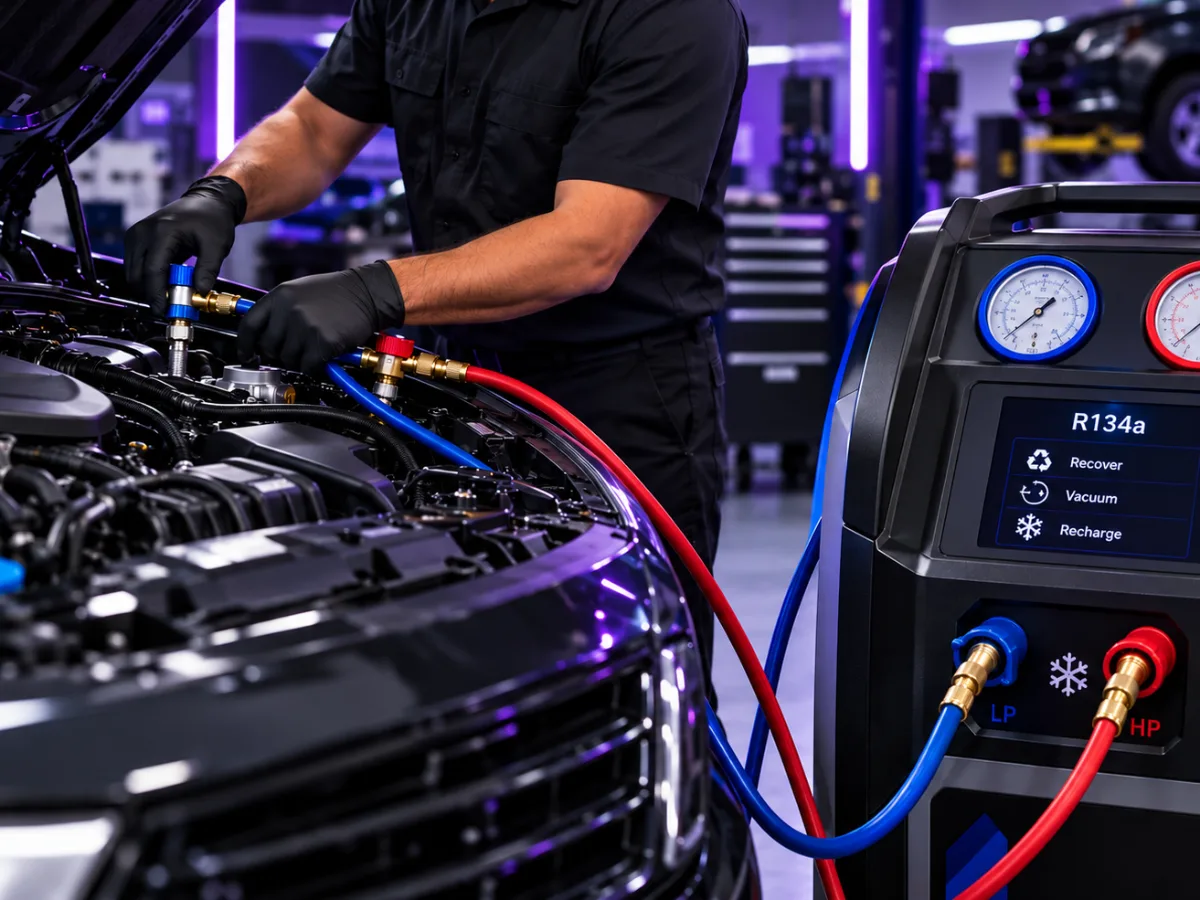
Poor A/C performance can result from refrigerant leaks, compressor problems, electrical faults, cooling fan issues, or other system failures. Proper testing helps identify the cause before parts are replaced.
What does an automotive diagnostic service include?
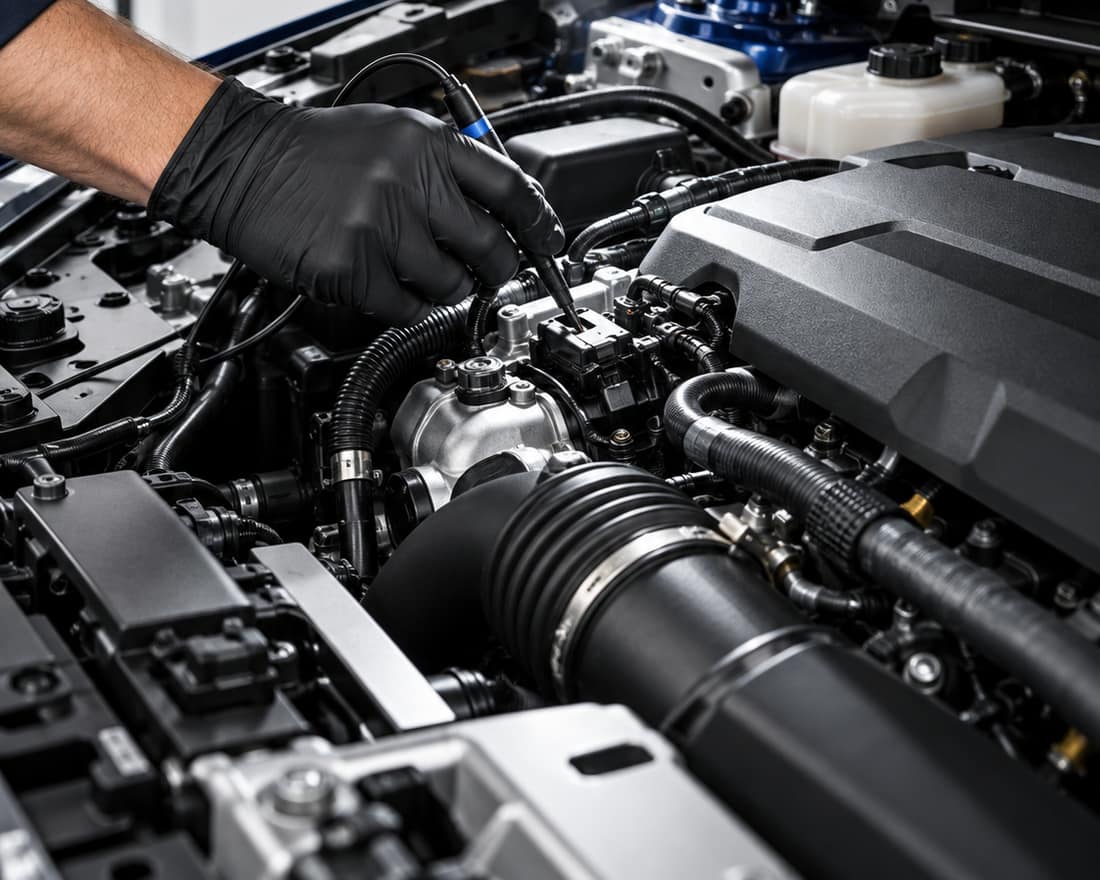
Diagnosis may include scanning vehicle computers, reviewing trouble codes and live data, electrical testing, and inspecting related components. A trouble code is a starting point and does not always identify the exact part that needs replacement.
Do I need an appointment for service?
Appointments are recommended to reduce waiting time and help us prepare for your visit. You can schedule online or contact our team directly.